
Introduction
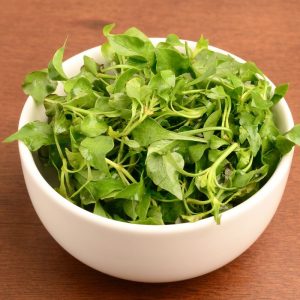
Watercress is a leafy green vegetable that has been enjoyed for centuries. Its peppery taste and crunchy texture make it a popular addition to salads and sandwiches, but did you know that watercress is also an incredibly nutrient-dense food? In this post, we’ll explore the many health benefits of watercress and why you should consider adding it to your diet.
Nutritional Value
One of the main reasons that watercress is so good for you is that it is packed with vitamins and minerals. For example, a single cup of watercress contains more than 100% of your daily recommended intake of vitamin K, which is important for bone health and blood clotting. Watercress is also high in vitamin C, which supports your immune system and helps your body absorb iron. Additionally, watercress is a good source of calcium, magnesium, and potassium, all of which are essential minerals that support overall health.
But it’s not just the vitamins and minerals that make watercress so healthy. Watercress is also rich in phytonutrients, which are compounds that have antioxidant and anti-inflammatory properties. These compounds help protect your cells from damage caused by free radicals, which can contribute to chronic diseases like cancer and heart disease.
Finally, watercress is low in calories and carbohydrates, making it a great choice for anyone looking to manage their weight or blood sugar levels.
Health Benefits
Now that we’ve covered the nutritional value of watercress, let’s explore some of the specific health benefits it provides:
1. Improved Digestion
Watercress is high in fiber, which can help promote healthy digestion and prevent constipation. Additionally, the phytonutrients in watercress have been shown to reduce inflammation in the digestive tract, which can help alleviate symptoms of conditions like irritable bowel syndrome (IBS).
2. Stronger Bones
As mentioned earlier, watercress is an excellent source of vitamin K, which plays a key role in bone health. Vitamin K helps your body absorb calcium, which is essential for building and maintaining strong bones. Studies have also shown that vitamin K may reduce the risk of fractures in older adults.
3. Reduced Cancer Risk
The phytonutrients in watercress have been shown to have anti-cancer properties. For example, one study found that watercress extract was able to inhibit the growth of breast cancer cells in a laboratory setting. Additionally, the high levels of vitamin C in watercress may also help protect against cancer by reducing oxidative stress in the body.
How to Incorporate Watercress Into Your Diet
Now that you know how beneficial watercress can be for your health, you may be wondering how to incorporate it into your diet. Here are a few easy ideas:
1. Add it to salads.
Watercress makes a great addition to any salad. Its peppery flavor pairs well with other leafy greens, as well as fruits, nuts, and cheese.
2. Use it as a sandwich topping.
Instead of using lettuce or spinach on your sandwich, try using watercress instead. Its crunchiness and unique flavor will add a delicious twist to your lunch.
3. Make a watercress soup.
Watercress soup is a popular dish in many cultures, and for good reason. It’s easy to make, delicious, and packed with nutrients. Simply sauté some onions and garlic, add in chopped watercress and vegetable broth, and simmer until the watercress is tender. Blend it all together and enjoy!
Conclusion
Watercress is a nutrient-dense food that offers a wide range of health benefits. From improving digestion to reducing the risk of cancer, there are many reasons to add watercress to your diet. So next time you’re at the grocery store, be sure to grab a bunch and start incorporating it into your meals!